THEORY
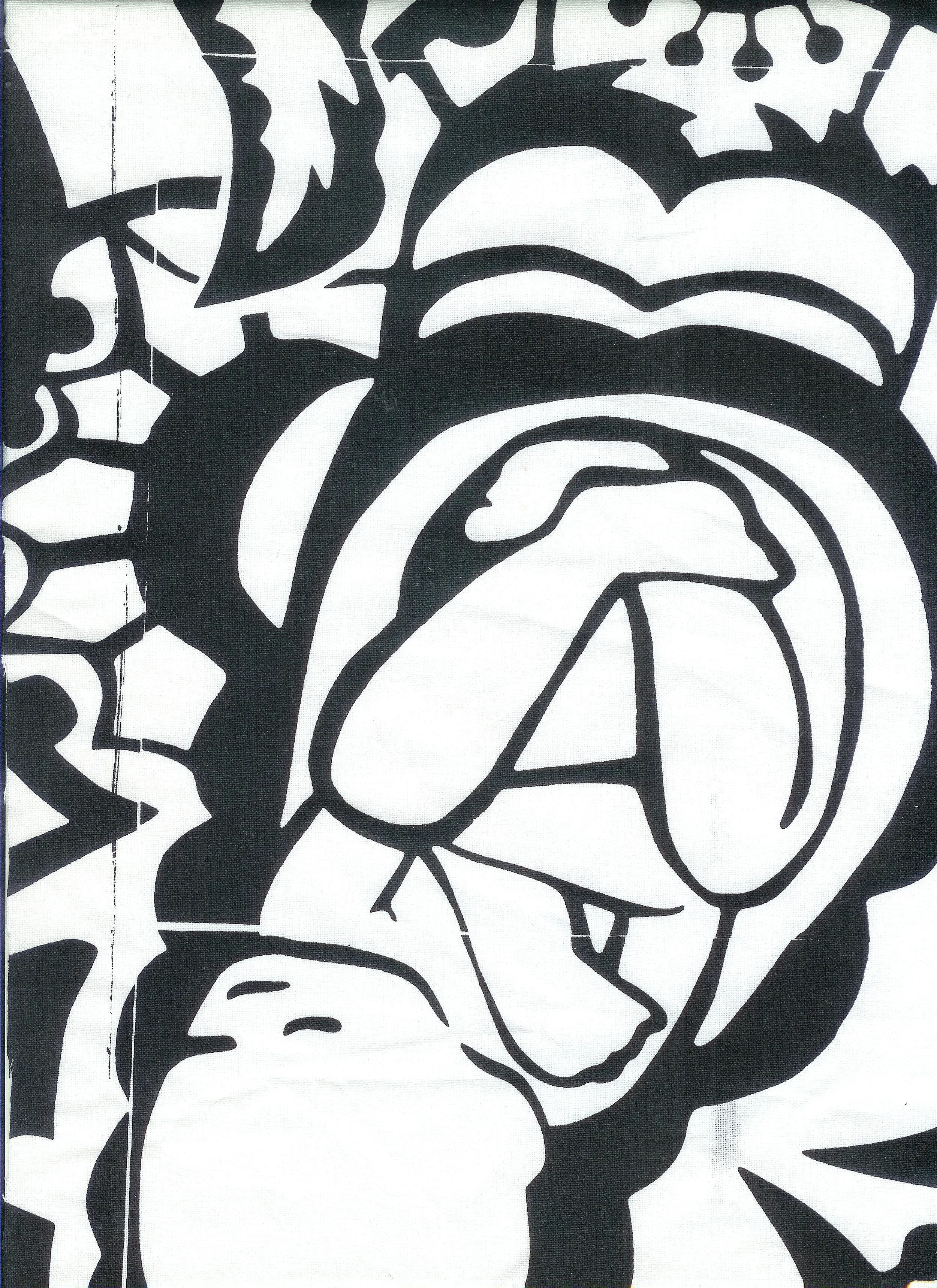
Essays on ornament, domestic space, visibility, and power.
This writing functions as an authored archive rather than a stream.
The Domestic Interior is Not Neutral
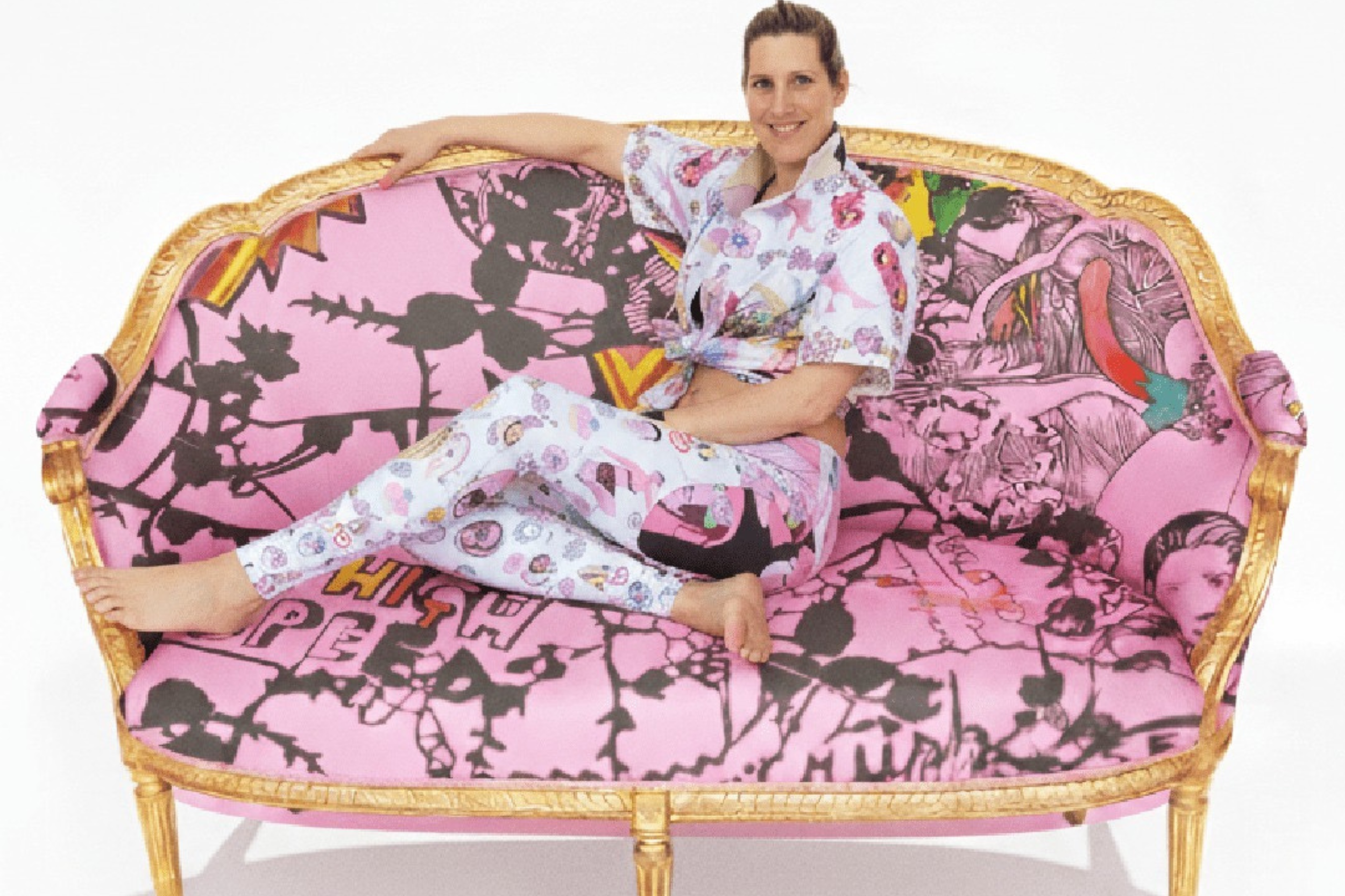
The domestic interior is not neutral. This essay examines how interiors shape behavior, labor, and power through design, ornament, and repetition.
The domestic interior is often treated as a background—an aesthetic container for life rather than an active force within it. Yet interiors do not merely host behavior; they organize it. Through materials, colors, surfaces, and routines, domestic spaces quietly shape how bodies move, how time is spent, and how roles are stabilized.
Interiors are regulatory systems. Their power lies not in overt instruction, but in repetition, comfort, and familiarity. Wallpaper, furniture, and color function as technologies: they normalize patterns of living while appearing decorative, benign, or purely aesthetic. Because they rarely announce themselves as instruments of control, they remain largely unquestioned.
The home, in particular, has long been framed as private, apolitical, and feminine—a space outside the realm of power. But this framing is precisely what allows the domestic interior to operate so effectively. By positioning the home as neutral, its structures escape scrutiny. Comfort becomes a method. Repetition becomes discipline.
The domestic interior does not command. It persuades.
It does not enforce. It repeats.
Ornament and the Work of Repetition
Within modern design history, ornament has often been dismissed as secondary to structure—excessive, irrational, or regressive. This dismissal was never purely aesthetic. Ornament has been persistently associated with femininity, domesticity, and repetition: qualities positioned in opposition to the ideals of modernist efficiency, rationality, and progress.
What was rejected along with ornament was not only a visual language, but the labor embedded in it. Ornament is inseparable from maintenance. It must be cleaned, preserved, lived with. It absorbs time. It demands care. These acts of repetition—historically feminized and undervalued—were rendered invisible by framing ornament as superficial.
The modernist rejection of ornament thus mirrored a broader cultural hierarchy: public over private, production over reproduction, authorship over care.
When ornament returns today, it does so under different conditions. Its contemporary reappearance is not nostalgic. It functions as evidence—making visible the systems of repetition and labor that modernism sought to suppress. Ornament becomes structure again, not by disappearing, but by insisting on presence.
Color, Seduction, and Capture
Color is among the most immediate tools of the interior. It works before language, before reflection. Pink, in particular, occupies a complex cultural position. Often framed as playful, soft, or harmless, it has been deeply involved in the social conditioning of femininity.
Pink does not simply signify gender; it performs it. It operates as a lure—making enclosure feel desirable. In domestic contexts, pink promises warmth, safety, and acceptance, while quietly narrowing the range of futures that appear imaginable. It does not coerce. It seduces.
This form of capture is effective precisely because it feels voluntary. The boundaries it establishes are padded, upholstered, aesthetically pleasing. What emerges is a comfortable prison—one entered willingly, sustained through taste, habit, and affection.
Pink, in this sense, is not an aesthetic preference.
It is a cultural interface.
The Housewife as a Spatial Function
Within the domestic interior, the figure of the housewife appears not primarily as an identity, but as a function. She is the one who maintains continuity, absorbs repetition, and ensures that the interior performs smoothly. Her labor sustains the space, yet she herself is designed to blend into it.
The ideal domestic interior is one in which care leaves no trace—where effort disappears into seamless order. Over time, this produces a specific form of disappearance: not erasure, but absorption. The body dissolves into routine. Presence becomes background.
This is not an individual failure. It is a spatial logic.
The domestic interior rewards invisibility. It stabilizes roles by making them feel natural, inevitable, and even desirable. In doing so, it transforms social expectations into lived environments.
Making the System Visible
My work begins from the premise that interiors are not neutral and that ornament is not superficial. Through pattern, repetition, and scale, I treat surfaces as carriers of meaning and evidence of power.
Rather than resisting ornament, I amplify it. By extending pattern across furniture, textiles, garments, and spatial installations, the mechanisms of comfort and containment become perceptible. What was meant to recede becomes insistent. What was meant to soothe begins to press.
Self-portraiture enters this system not as expression, but as intervention. The body appears where disappearance is expected. It interrupts the smooth operation of the interior by refusing to dissolve into it. This is not autobiography for its own sake; it is a method of enforced visibility.
The silenced woman does not become loud.
She becomes impossible to absorb.
Applied Objects, Political Effects
Everyday objects—cups, sofas, wallpapers, garments—are often excluded from political analysis because of their intimacy. Yet it is precisely this intimacy that grants them power. Applied objects work at the scale of daily repetition. They shape bodies over time rather than through spectacle.
To examine these objects critically is not to moralize them. It is to acknowledge their agency. Design does not merely reflect society; it actively participates in organizing it.
The domestic interior, far from being a retreat from power, is one of its most refined expressions.
Conclusion
To say that the domestic interior is not neutral is not to accuse it of intention. It is to recognize its effectiveness. Through comfort, repetition, and ornament, interiors stabilize roles, absorb labor, and naturalize forms of disappearance that would be unacceptable if imposed directly.
By treating ornament as structure and the home as a system, it becomes possible to read domestic space not as background, but as evidence.
What appears decorative is operative.
What appears private is political.
What appears neutral is anything but.
—
This text is part of an ongoing series on ornament, domestic space, and power.
Next essay:
Pink as a Technology of Captivity
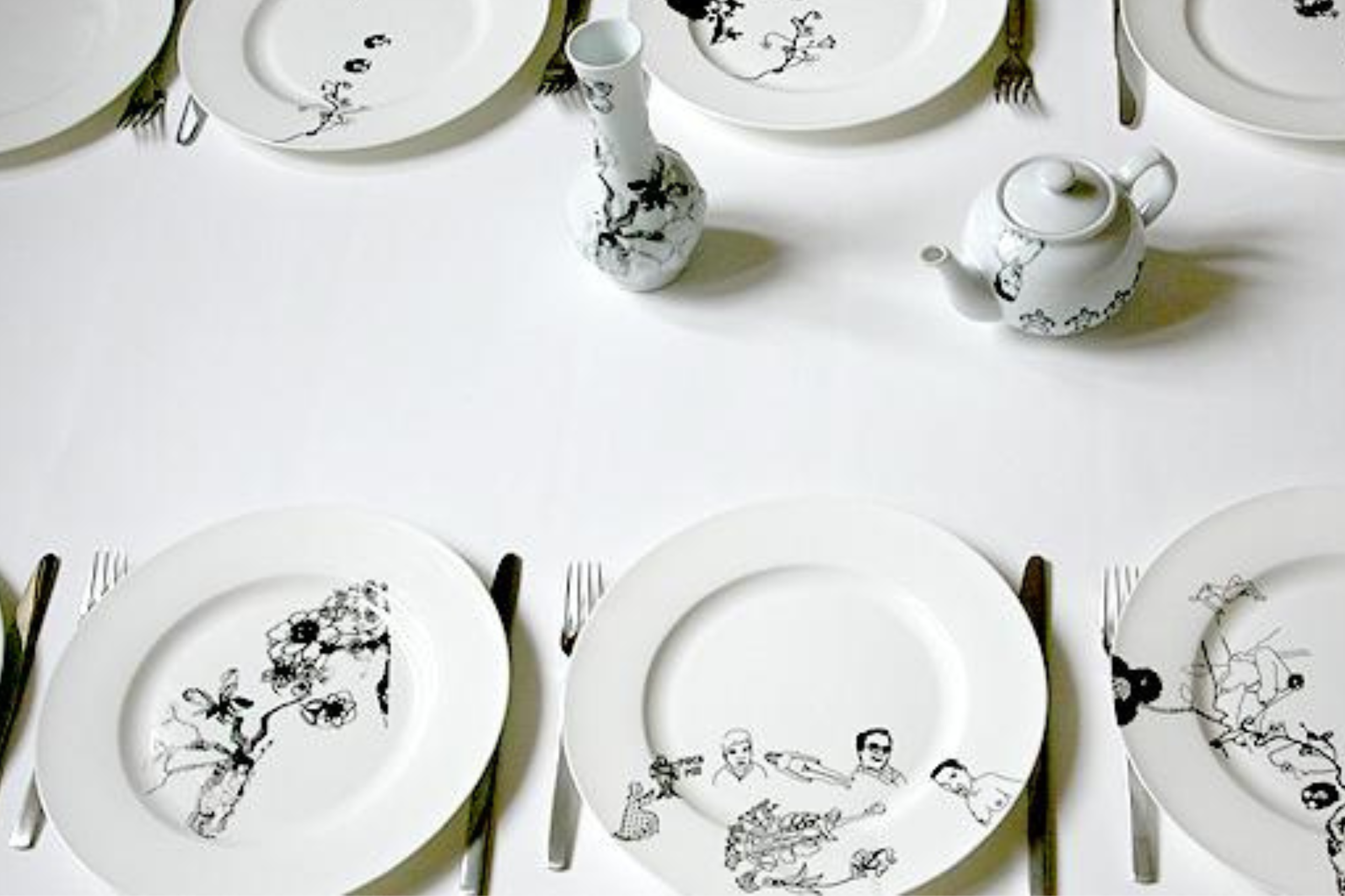
Pink is not innocent. This text examines pink as a cultural technology that lures women into domestic captivity through ornament, pleasure, and repetition.
Pink is often treated as a matter of taste: a color associated with softness, sweetness, care, or play. In design discourse, it is frequently dismissed as decorative, emotional, or unserious. Yet this dismissal obscures the work pink performs. Pink is not merely an aesthetic preference. It is a cultural interface—one that lures, softens, encloses, and normalizes containment, particularly within domestic and gendered contexts.
To understand pink as a technology of capture is to move beyond symbolism and into structure. Technologies do not need to be mechanical to be effective. They operate by organizing behavior, shaping perception, and stabilizing expectations over time. Pink functions in precisely this way. It does not impose itself through force. It persuades through familiarity.
Pink works by making intensity acceptable.
Softness as Strategy
The power of pink lies in its apparent harmlessness. Because it is coded as gentle, pink is rarely perceived as disciplinary. It does not announce authority; it disguises it. This makes it especially effective within environments that depend on consent rather than coercion.
Pink softens boundaries. It cushions edges. It promises care. In doing so, it creates spaces that feel safe and inviting, while quietly narrowing the range of behaviors that seem appropriate within them. What appears as freedom of choice is often a carefully staged field of limited options.
This is not accidental. Pink has been systematically mobilized in environments associated with femininity, childhood, care, and domesticity. In these contexts, it functions as an aesthetic lure—drawing bodies into roles that feel natural, desirable, and self-chosen, even as they are structurally constrained.
Pink does not trap by closing doors.
It traps by making staying comfortable.
The Feminization of Containment
Within domestic interiors, pink has long been associated with the preparation of girls for particular forms of life. Bedrooms, toys, textiles, clothing, and decorative objects use pink to signal belonging and correctness. The color becomes a guide: this is where you fit, this is who you are meant to be.
The effect is cumulative rather than immediate. Over time, pink teaches orientation. It trains bodies toward softness, accommodation, and availability. It aligns care with obligation and containment with affection.
In this sense, pink is not simply a marker of gender—it is a spatial instruction. It prepares subjects for enclosure by making enclosure feel benevolent.
The housewife, in this system, is not merely a role but a spatial outcome. She is produced by interiors that reward repetition, smoothness, and disappearance. Pink assists in this production by aestheticizing constraint and masking labor as love.
Capture Without Force
What distinguishes pink as a technology of capture is its reliance on seduction rather than violence. It does not punish deviation aggressively; it simply makes deviation feel out of place. Other options appear harsh, cold, or unfeminine by contrast.
This is how capture operates most effectively: by rendering alternatives unattractive or illegible.
Pink makes certain futures imaginable and others remote. It stabilizes a narrow corridor of acceptability. Within that corridor, enclosure feels voluntary.
The result is a comfortable prison—upholstered, patterned, and visually pleasing. A prison one enters willingly and maintains with care.
Design, Not Destiny
To analyze pink in this way is not to argue that the color itself is inherently oppressive. Technologies are not moral agents; they are tools embedded in systems. Pink’s power emerges from how it is deployed, repeated, and normalized within specific cultural and spatial arrangements.
Design plays a central role in this process. Applied objects—wallpapers, sofas, garments, toys—operate at the scale of daily life. They do not command attention, but they shape duration. They do not shock, but they persist.
Because of this persistence, their effects are profound.
Design does not merely reflect social values; it participates in producing them. Pink, when embedded in domestic systems, becomes a design decision with political consequences.
Ornament, Repetition, and Labor
Pink is often inseparable from ornament. Patterns, florals, textures, and decorative surfaces amplify its effect. Ornament works through repetition, and repetition through time. To live with ornament is to maintain it, clean it, repair it, and absorb it into daily routines.
This labor—historically feminized and undervalued—is central to how domestic capture functions. Ornament demands care while disguising that demand as pleasure. Pink intensifies this dynamic by framing maintenance as affection and repetition as devotion.
In this way, ornament and color collaborate. They turn labor into atmosphere and obligation into taste.
Making Capture Visible
My work approaches pink not as a personal preference but as a structural condition. By amplifying pink—through scale, saturation, repetition, and application across objects and environments—I treat it as evidence rather than embellishment.
When pink is intensified, its mechanisms become perceptible. What was meant to soothe begins to press. What was meant to disappear becomes insistent.
Self-portraiture enters this system as a disruption. The body appears where it is expected to dissolve. Instead of blending into the decorative field, it occupies it. The surface no longer absorbs the subject seamlessly.
This is not an act of self-expression, but of structural exposure. The point is not to reject pink, but to reveal its work.
Beyond Innocence
Pink has long benefited from an assumption of innocence. This innocence protects it from critique. To question pink is often framed as humorless or excessive—as an overreaction to something trivial.
Yet triviality is part of the strategy.
By treating pink as infrastructure rather than affect, it becomes possible to discuss its effects without moral panic. The goal is not to abolish softness, care, or beauty, but to understand how they are mobilized.
Pink does not simply decorate.
It organizes.
Conclusion
Pink is a technology of capture because it operates through consent, comfort, and repetition. It lures rather than forces, encloses rather than confronts, and stabilizes roles by making them feel desirable.
Within domestic interiors, pink plays a central role in normalizing containment—particularly for women—by aestheticizing constraint and disguising labor as love.
To recognize this is not to reject pink, but to refuse its innocence.
When examined closely, pink reveals itself not as a color, but as a system.
Ornament After Modernism: What Was Lost
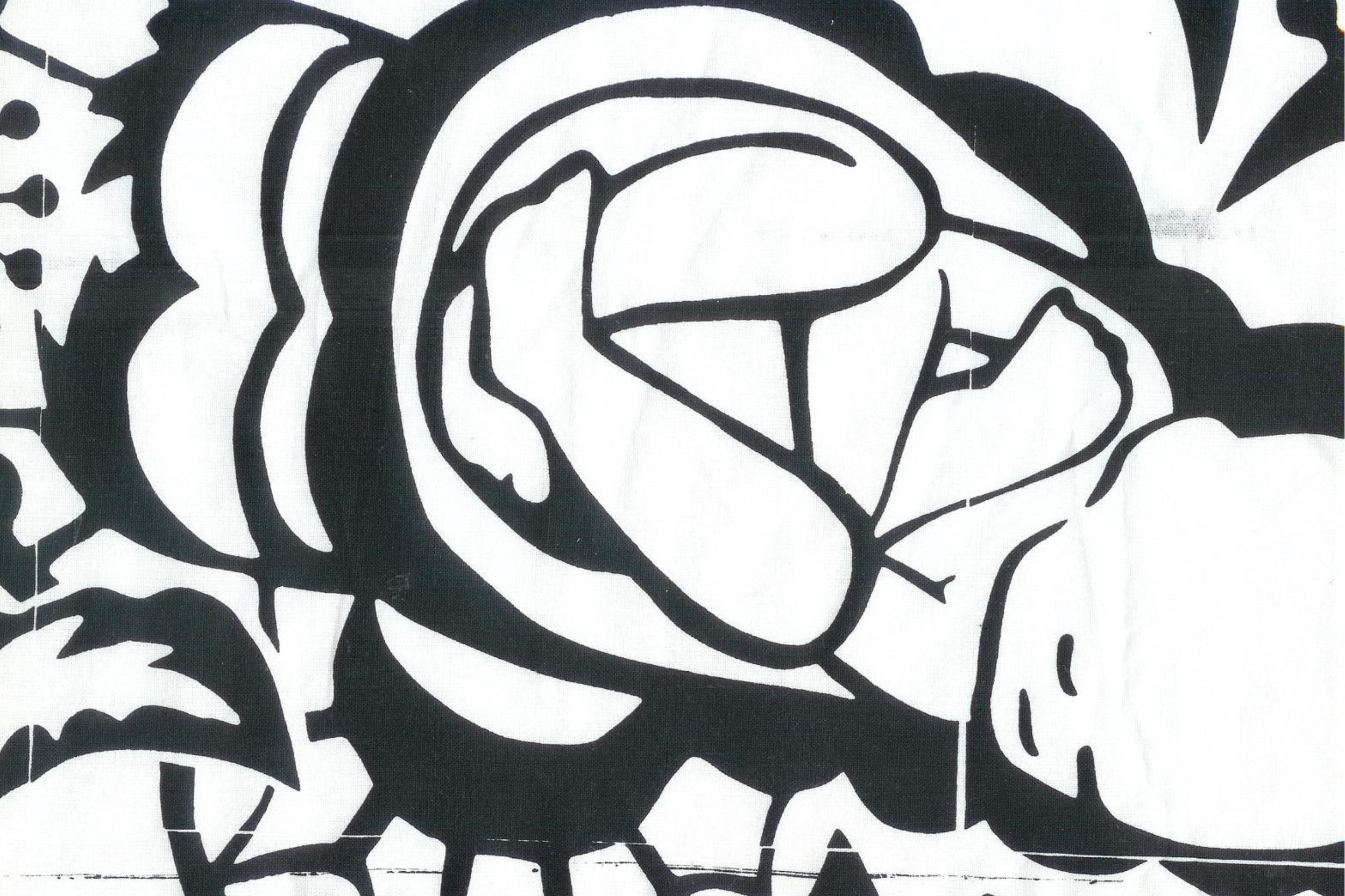
Modernism rejected ornament as excess. This text asks what disappeared with it: memory, labor, symbolism, and embodied knowledge.
Modernism did not simply reject ornament aesthetically—it rejected the feminized, repetitive, domestic labor embedded in ornament. The dismissal of ornament as excessive, irrational, or regressive was never only about form. It was about values, hierarchies, and whose work was allowed to count as culture.
When modernism declared ornament a crime, it was also declaring certain kinds of labor obsolete.
Ornament as Labor, Not Excess
Ornament has historically been inseparable from repetition. Patterns recur, motifs repeat, surfaces demand care. To live with ornament is to maintain it: to clean it, preserve it, repair it, and keep it alive through daily attention. This labor is slow, cyclical, and ongoing—qualities that sit uneasily within modernist narratives of progress, efficiency, and innovation.
Because this labor was largely performed in domestic contexts, and largely by women, it was rendered invisible. Ornament became associated not only with decoration, but with femininity, domesticity, and non-productive time. Its rejection was therefore not neutral. It aligned with a broader cultural shift that privileged linear progress over cyclical care, authorship over maintenance, and public production over private reproduction.
What modernism framed as aesthetic purification was also a social realignment.
The Moral Dimension of Modernism
The modernist critique of ornament—most famously articulated by Adolf Loos—was moral as much as visual. Ornament was framed as wasteful, degenerate, and dishonest. To decorate was to delay progress; to repeat was to regress.
Yet this moral argument rested on a narrow definition of value. It recognized innovation only when it appeared as rupture, novelty, or technological advancement. Forms of knowledge embedded in repetition, care, and continuity were excluded.
In rejecting ornament, modernism rejected an entire mode of working with time.
The smooth white wall, the unadorned surface, the standardized object promised clarity and universality. But it also erased traces of labor. Maintenance disappeared behind surfaces designed to look self-sufficient. Care was absorbed into form and rendered unremarkable.
What Was Lost
What was lost was not beauty.
What was lost was visibility.
Ornament carried with it the evidence of hands, time, and repetition. It made labor legible. Its removal coincided with the naturalization of domestic work as something that simply “happens,” rather than something that is performed, sustained, and endured.
By stripping interiors of ornament, modernism created environments that appeared neutral while relying on invisible systems of care to function. The labor did not disappear—it became harder to see.
This invisibility disproportionately affected those whose work took place inside the home. The housewife, the cleaner, the caretaker became part of the infrastructure rather than acknowledged contributors. Their labor maintained the modern interior while remaining uncredited.
The Return of Ornament
When ornament returns in contemporary practice, it does not return as nostalgia. It returns as critical evidence.
Contemporary ornament does not attempt to restore a pre-modern aesthetic order. Instead, it exposes what modernism suppressed: the persistence of repetition, the necessity of care, and the politics embedded in surfaces.
Ornament today often appears excessive, overwhelming, or insistent. This is not accidental. It refuses the modernist ideal of invisibility. By amplifying pattern, color, and repetition, contemporary ornament makes the mechanisms of absorption visible.
What was meant to recede begins to press.
Ornament as Structure
To understand ornament after modernism requires reframing it not as surface decoration, but as structure. Ornament organizes attention. It distributes focus. It shapes how bodies move through space and how long they remain there.
In domestic contexts, ornament stabilizes routines. It creates continuity across time. It absorbs bodies into environments that feel familiar and safe. This absorption can be comforting—but it can also be restrictive.
By treating ornament as structure rather than embellishment, its political dimension becomes legible. Ornament does not merely decorate space; it produces it.
Feminized Knowledge, Reclaimed
The marginalization of ornament parallels the marginalization of other feminized forms of knowledge: care, maintenance, repetition, and endurance. These forms of work do not generate clear endpoints or visible achievements. They sustain rather than conclude.
Modernism’s celebration of the new left little room for such practices.
The contemporary re-engagement with ornament can therefore be read as a reclaiming of these neglected modes of knowledge. Not by romanticizing them, but by acknowledging their centrality.
Repetition is not failure.
Care is not stagnation.
Decoration is not deception.
Applied Objects as Historical Records
Applied objects—wallpapers, textiles, furniture, domestic ceramics—carry histories that modernist narratives often ignored. They register how people lived, cleaned, repaired, and endured. They record the rhythms of everyday life rather than moments of heroic rupture.
By working across applied media, ornament reasserts the importance of these objects as historical documents. They show how power operates quietly, through comfort and familiarity, rather than through spectacle.
The return of ornament invites a reconsideration of what counts as historical evidence.
Conclusion
Ornament after modernism is not a stylistic trend. It is a critical position.
What was lost in modernism’s rejection of ornament was not decoration, but recognition: recognition of labor, of repetition, of care, and of the domestic as a site of cultural production rather than passive background.
The contemporary reappearance of ornament does not seek to undo modernism, but to complicate it. By making visible what was rendered invisible, ornament becomes a tool for reading power rather than masking it.
It reminds us that surfaces are never neutral.
They remember what histories tried to forget.
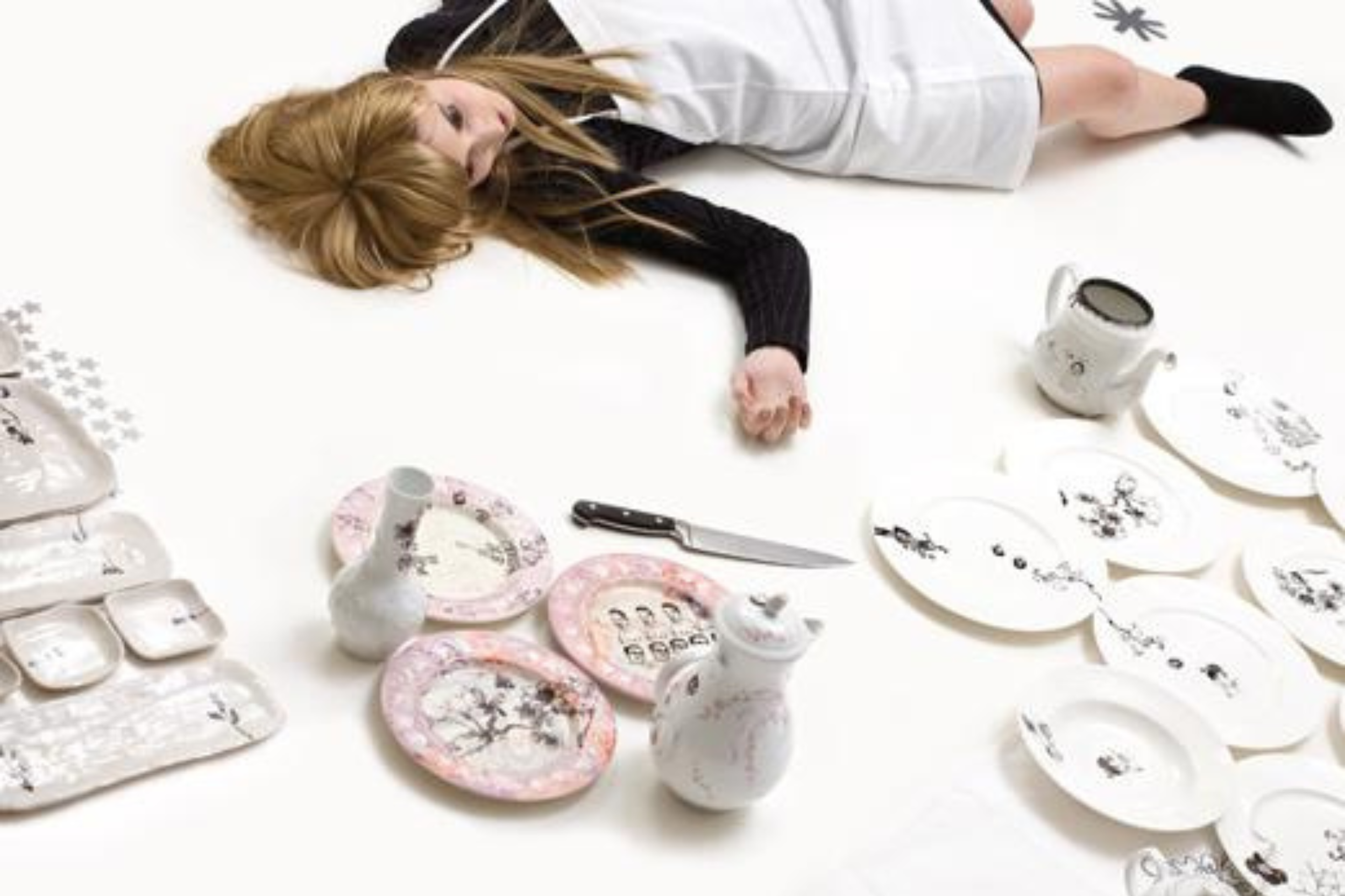
Self-portraiture as Enforced Visibility
Self-portraiture is examined as a condition of enforced visibility, where the subject must continuously appear, perform, and explain itself in order to exist within cultural and digital systems.
Self-portraiture has often been framed as an inward practice—an exploration of identity, psychology, or self-expression. Within this tradition, the self-portrait is read as a mirror: reflective, confessional, and personal. Yet this understanding overlooks another function of self-portraiture—one that is outward, structural, and political.
In my work, self-portraiture does not operate as a search for identity. It functions as a method of occupation.
The self-portrait is not about who I am.
It is about where I appear—and where I am not meant to be seen.
Visibility as a Condition, Not a Desire
Visibility is often treated as a goal: something to be achieved, claimed, or celebrated. But visibility is not neutral. It is regulated, distributed, and unevenly granted. Some bodies are hypervisible, scrutinized, and exposed. Others are absorbed, overlooked, or rendered background.
Within domestic interiors, female bodies have historically been made invisible not through absence, but through proximity. They are everywhere, yet rarely acknowledged as occupying space. Their labor sustains environments designed to appear effortless. Their presence is expected, but not registered.
This is not invisibility as disappearance.
It is invisibility as absorption.
Self-portraiture enters this system as a disruption.
The Interior as an Absorptive Field
Domestic space is designed to absorb bodies smoothly. Furniture accommodates posture. Surfaces soften edges. Ornament diffuses attention. Over time, the interior trains bodies to adapt—to blend, to yield, to disappear into function.
The ideal domestic interior is one in which nothing interrupts flow.
In such a space, the female body is not expelled; it is integrated. It becomes part of the infrastructure. Care, maintenance, and repetition merge seamlessly with surfaces and routines.
Self-portraiture interrupts this integration. By inserting the body visibly into environments designed to dissolve it, the work exposes the absorptive logic of the interior itself.
The body does not decorate the space.
It resists being absorbed by it.
Against Confession
Self-portraiture is frequently dismissed as narcissistic, especially when practiced by women. The act of placing oneself in the frame is read as indulgent or excessive, rather than strategic. This judgment rests on the assumption that the self-portrait is primarily expressive.
But expression is not the operative logic here.
These self-portraits do not ask to be understood emotionally. They do not reveal interior states or personal narratives. They are not invitations to empathy. Instead, they insist on presence.
The body appears not to confess, but to occupy.
This reframes self-portraiture as spatial politics rather than psychological disclosure.
Enforced Visibility
The visibility produced by these works is not celebratory. It is enforced.
Enforced visibility does not mean spectacle. It means refusal. Refusal to recede. Refusal to dissolve into pattern, ornament, or domestic background. The body remains present even when the environment is designed to neutralize it.
This presence is often uncomfortable. It interrupts the fantasy of harmony the interior promises. It exposes the tension between surface and subject.
The self-portrait does not seek approval.
It withholds compliance.
Pattern as Counterforce
Pattern plays a crucial role in this dynamic. Repetition has historically been used to absorb attention and stabilize behavior. In domestic contexts, pattern soothes, familiarizes, and normalizes. It encourages continuity.
By placing the body within dense ornamental fields, the work intensifies this logic until it becomes legible. Pattern no longer functions as background; it presses forward. The body does not disappear into it—it competes with it.
This competition reveals pattern as an active force rather than neutral decoration. It also exposes how easily bodies can be subsumed when repetition is allowed to operate invisibly.
Self-portraiture interrupts this process by refusing to resolve into ornament.
Occupation Without Ownership
The body in these images does not dominate space. It does not claim ownership or mastery. It occupies temporarily, insistently, and without assimilation.
This is not conquest.
It is occupation without permission.
The body’s presence marks space as contested. It reveals that the interior is not a neutral container, but a negotiated environment structured by power, habit, and expectation.
Self-portraiture thus becomes a way to test the limits of space: how much presence can it tolerate before its neutrality collapses?
The Silenced Woman, Reconsidered
The figure of the silenced woman is often framed as one who must be given voice. But voice alone does not undo spatial erasure. One can speak and still be absorbed.
These self-portraits do not aim to make the silenced woman loud. Loudness is fleeting. Instead, they make her unavoidable.
The body’s persistence in space becomes its own form of speech. Presence replaces declaration.
This shift moves the work away from expression and toward structure. Silence is not broken; it is bypassed.
Beyond Identity
Identity politics often rely on visibility as recognition. To be seen is to be acknowledged. But enforced visibility complicates this equation. Being seen does not guarantee understanding or acceptance. It simply makes absence impossible.
By refusing the language of identity, these self-portraits resist easy categorization. They do not explain who the subject is. They show where she is—and where she has historically been expected not to appear.
This locational emphasis aligns self-portraiture with architecture, design, and spatial theory rather than autobiography.
Conclusion
Self-portraiture, in this context, is not an act of self-expression. It is an act of spatial insistence.
By forcing a body back into spaces designed to absorb and erase it, these works expose the mechanisms that produce invisibility in the first place. They transform the self-portrait from a mirror into a tool—one that tests, interrupts, and destabilizes the environments it inhabits.
Enforced visibility does not ask to be seen.
In doing so, self-portraiture becomes not a reflection of the self, but a method for reading space—and the power embedded within it.